Energy efficiency has become a top priority for homeowners and business owners alike. Rising utility costs, environmental concerns, and the desire for sustainable operations have pushed property owners to seek smarter ways to manage electricity consumption. One of the most effective strategies to achieve this is through the expertise of professional Electrical Contractors Jacksonville NC. These trained specialists not only ensure that electrical systems are safe and compliant but also implement solutions that optimize energy use, reduce waste, and enhance overall system performance. Their role extends far beyond basic installation or repair; electrical contractors play a pivotal part in creating energy-efficient environments that benefit both residential and commercial properties.
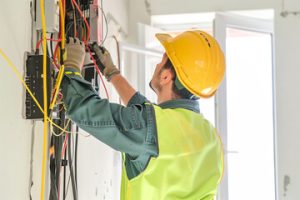
In residential settings, energy efficiency often starts with proper system design and installation. Electrical contractors assess a home’s power needs and design circuits that distribute electricity effectively while minimizing losses. For instance, proper panel sizing ensures that circuits are neither overloaded nor underutilized, preventing unnecessary energy consumption and strain on wiring. Contractors also recommend modern, energy-efficient devices such as LED lighting, high-efficiency appliances, and programmable thermostats. By installing these solutions correctly, homeowners can achieve immediate reductions in electricity bills while maintaining safety and reliability.
One of the most noticeable ways electrical contractors improve energy efficiency is through lighting upgrades. Traditional incandescent bulbs consume far more power than modern alternatives. Contractors can replace outdated lighting with LED or other energy-efficient options, which not only reduce electricity use but also last significantly longer. In commercial buildings, where lighting can represent a substantial portion of total energy consumption, upgrading to LED systems and integrating smart lighting controls can produce significant cost savings. Occupancy sensors, dimmers, and automated schedules allow lights to operate only when needed, minimizing waste and contributing to sustainable building operations.
Energy management systems (EMS) are another area where electrical contractors make a significant impact. These systems monitor electricity consumption, identify inefficiencies, and enable property owners to adjust usage patterns in real time. For commercial properties, an EMS can track energy use across multiple zones, providing insights that allow facility managers to optimize HVAC systems, lighting, and equipment schedules. In residential homes, simplified EMS solutions can alert homeowners to unusually high usage, helping them take corrective action before energy bills escalate. Proper installation and calibration of these systems requires professional expertise to ensure both accuracy and safety.
Electrical contractors also play a critical role in upgrading and maintaining HVAC systems. Heating and cooling account for one of the largest portions of energy consumption in most buildings. By installing energy-efficient motors, variable-speed drives, and advanced controls, contractors can help reduce unnecessary energy usage while maintaining comfort. Additionally, properly installed electrical components, such as programmable thermostats and dedicated circuits for HVAC equipment, ensure optimal operation and prevent energy losses caused by improper wiring or outdated systems. Regular maintenance by a licensed contractor further maximizes efficiency, ensuring the system continues to perform as designed over time.
Proper wiring and circuit management are fundamental to energy efficiency. Older buildings often have outdated wiring that can create resistance, causing energy loss and inefficient power delivery. Electrical contractors assess the condition of wiring, replace degraded circuits, and optimize the routing of electrical lines to reduce resistance and energy waste. In commercial buildings with complex power demands, careful circuit planning ensures that energy is delivered efficiently to high-demand areas without overloading systems or creating unnecessary strain. This proactive approach not only improves energy efficiency but also enhances overall system reliability.
There are several strategies that electrical contractors commonly employ to improve energy efficiency:
- Upgrading lighting systems – Replacing incandescent bulbs with LEDs and installing smart lighting controls reduces energy consumption significantly.
- Optimizing HVAC systems – Installing high-efficiency motors, variable-speed drives, and programmable thermostats ensures energy is used only when necessary.
- Implementing energy management systems – Monitoring consumption, identifying inefficiencies, and automating usage patterns maximizes efficiency across the building.
- Proper wiring and circuit optimization – Replacing outdated wiring and balancing circuits reduces resistance and energy waste.
- Installing energy-efficient appliances and devices – Ensuring all electrical devices meet modern efficiency standards contributes to long-term savings.
In commercial environments, energy efficiency measures often require advanced planning and professional execution. Large office buildings, manufacturing facilities, and retail spaces have complex electrical systems with high energy demands. Electrical contractors analyze usage patterns, recommend upgrades to energy-intensive systems, and implement advanced technologies such as automated lighting, smart HVAC controls, and energy-efficient motors. These interventions can reduce overall energy consumption, lower operational costs, and improve sustainability metrics—an increasingly important consideration for environmentally conscious businesses.
Surge protection and power quality management are also essential components of energy-efficient electrical systems. Power fluctuations and voltage irregularities can damage sensitive equipment and reduce efficiency. Electrical contractors install surge protection devices, voltage regulators, and other power conditioning equipment to stabilize electricity delivery, protect valuable devices, and prevent energy loss. By maintaining consistent voltage and preventing unnecessary equipment strain, contractors help properties operate efficiently while avoiding costly downtime and repairs.
Electrical contractors also advise on the integration of renewable energy solutions. Solar panels, wind turbines, and other alternative energy sources can significantly reduce dependency on grid electricity. Contractors ensure that these systems are properly wired, synchronized with existing electrical infrastructure, and equipped with efficient inverters and controllers. By combining renewable energy with energy-saving technologies, homeowners and business owners can achieve substantial reductions in both costs and environmental impact.
Preventive maintenance is another critical area where electrical contractors support energy efficiency. Regular inspections of panels, wiring, motors, and appliances allow contractors to detect inefficiencies early. Loose connections, worn components, or degraded insulation can cause energy loss, higher utility bills, and potential safety hazards. Timely maintenance preserves efficiency, extends the life of electrical systems, and prevents costly energy waste.
Education and guidance are additional benefits provided by licensed contractors. Property owners may not always recognize the most effective ways to reduce energy usage. Electrical contractors can provide recommendations for upgrades, explain best practices for energy management, and suggest behavior changes that reduce electricity consumption. Whether it’s adjusting thermostat settings, using timers for lighting, or identifying high-consumption appliances, informed property owners can take actionable steps to complement professional installations.
Electrical contractors also ensure that all efficiency upgrades are compliant with local codes and standards. Energy-efficient technologies must be installed correctly to function safely and effectively. Improper installation can not only reduce efficiency but also create safety hazards or violate regulatory requirements. Licensed contractors bring both technical knowledge and adherence to safety protocols, ensuring that energy-saving measures deliver intended benefits without compromising safety or compliance.
For residential properties, the benefits of energy-efficient electrical systems are immediately noticeable in lower utility bills, improved comfort, and safer operation of household appliances. In commercial settings, energy efficiency translates to lower operating costs, enhanced sustainability credentials, and reduced strain on electrical infrastructure. By leveraging the expertise of electrical contractors, property owners can achieve measurable savings, contribute to environmental goals, and maintain reliable systems that support daily operations.
In summary, electrical contractors play an essential role in enhancing energy efficiency for both residential and commercial buildings. Their expertise extends from system design and proper installation to preventive maintenance, upgrades, and the integration of smart technologies. By focusing on lighting, HVAC, wiring, appliances, and power management, contractors reduce energy waste, lower costs, and improve overall system performance.
Some of the most important ways licensed contractors improve energy efficiency include:
- Conducting comprehensive assessments to identify energy inefficiencies.
- Upgrading lighting, HVAC systems, and appliances to high-efficiency models.
- Installing energy management systems and smart controls.
- Optimizing wiring, circuits, and protective devices for reduced energy loss.
- Implementing renewable energy solutions and integrating them with existing electrical infrastructure.
Ultimately, partnering with qualified electrical contractors ensures that energy-efficient solutions are implemented safely, effectively, and in compliance with all regulations. Property owners benefit from lower energy costs, improved system reliability, and a more sustainable footprint. In an era where energy conservation is both economically and environmentally important, the expertise of electrical contractors is invaluable in creating safe, efficient, and forward-looking electrical systems for homes and businesses alike.